
SAN DIEGO ARCHITECTURAL FOUNDATION
presents

THURSDAY, OCTOBER 5th 2023
Venue 808
2023 Orchid Winners
Public Architecture
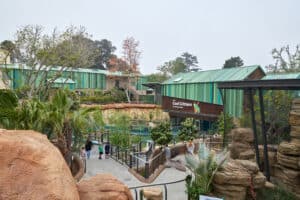
Denny Sandford Wildlife Explorers Base Camp at San Diego Zoo
Architect/Designer: HGW Architecture
Owner/Developer: San Diego Zoo Wildlife Alliance
Photo credit: San Diego Zoo Wildlife Alliance
2920 Zoo Drive, San Diego, CA 92101
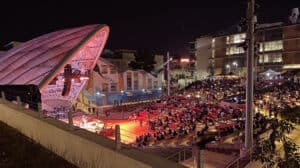
Epstein Family Amphitheater
Architect/Designer: Safdie Rabines Architects
Owner/Developer: UC San Diego
Photo credit: Philip Scholtz Rittermann
UC San Diego, 9500 Gilman Drive, La Jolla, CA 92093
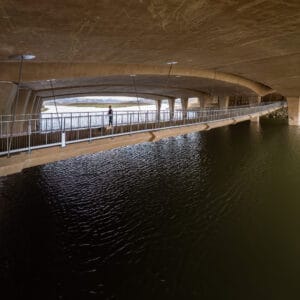
San Elijo Lagoon Pedestrian Bridge
Architect/Designer: Safdie Rabines Architects & TY Lin
Owner/Developer: Caltrans/SANDAG Build North Coast Corridor (Build NCC)
San Elijo Lagoon, Carlsbad, CA
Private Architecture

Los Patios
Architect/Designer: Kate Meairs, AIA & Hector M Perez
Owner/Developer: Hub & Spoke Communities + Los Patios Build LLC
Photo credit: Carlos Turrubiartes and Hector M Perez
1776 National Avenue, San Diego CA, 92113
Interior Design

Part Time Lover
Architect/Designer: Taylor Leage, CH Projects’ Department of Interior and Arsalun Tafazoli
Owner/Developer: CH Projects
Photo credit: Arlene Ibarra
3829 30th St, San Diego, CA 92104

Pacific Sky School, Pacific Highlands Ranch
Architect/Designer: obrARCHITECTURE, inc.
Owner/Developer: Del Mar Union School District
6631 Solterra Vista Pkwy, San Diego, CA 92130
Landscape Architecture
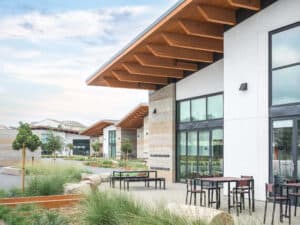
Pacific Sky School, Pacific Highlands Ranch
Architect/Designer: Schmidt Design Group
Owner/Developer: Del Mar Union School District
6631 Solterra Vista Pkwy, San Diego, CA 92130
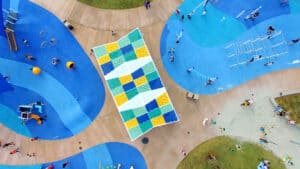
Tecolote Shores Park North Playground
Architect/Designer: Schmidt Design Group
Owner/Developer: City of San Diego
1344 E Mission Bay Dr., San Diego, CA 92109

Iipay Tipai Kumeyaay Mut Niihepok
Architect/Designer: California State Parks, Southern Service Center
Owner/Developer: California State Parks
2829 Juan St, San Diego, CA 92110.
Located in Old Town San Diego State Historic Park

WaterSmart Demonstration Garden at the Helix Water District Administrative Office
Architect/Designer: McCullough Landscape Architecture
Owner/Developer: Helix Water District
7811 University Avenue La Mesa, CA 91942
Public Art

UCSD Mandeville Art Gallery
Architect/Designer: Studio E Architects / Lighting Designer The Syska Hennessey Group
Owner/Developer: University of California San Diego
9500 Gilman Drive, La Jolla, CA 92093
Historic Preservation

San Diego Automotive Museum Restoration
Architect/Designer: Robert Thiele
Owner/Developer: City of San Diego/Balboa Park Committee of 100
2080 Pan American Plaza
People’s Choice Orchid Award
Voting was determined by public voting on all nominated projects via the O&O website.

Callan Ridge
Architect/Designer: Ferguson Pape Baldwin Architects
Owner/Developer: Healthpeak Properties, Inc.
3020 Callan Road, San Diego, CA 92121
Teen Jury Orchid Award
Voting was determined by High Tech High Chula Vista senior architecture students. They developed criteria and evaluated the Orchid nominees through five categories, aesthetics, functionality, social impact, environmental impact, and context.
Part Time Lover
Architect/Designer: Taylor Leage, CH Projects’ Department of Interior and Arsalun Tafazoli
Owner/Developer: CH Projects
Photo credit: Arlene Ibarra
3829 30th St, San Diego, CA 92104
2023 Onion Awards
Miscellaneous

SDG&E’s Sidewalk Transformer Boxes
Architect/Designer: SDG&E
Owner/Developer: SDG&E
City Wide – this specific example is at 30th and Adams

City of San Diego Bicycle Lanes opportunity to address Climate Change and the planting / protection / maintenance of the Urban Forest
Architect/Designer: City of San Diego
Owner/Developer: City of San Diego
City of San Diego Bike Lanes – wherever they occur – but these were specifically on 4th + 5th Avenue between downtown + Hillcrest
Historic Preservation

Balboa Theatre Paint Job
Architect/Designer: City of San Diego & San Diego Theatres, Inc.
Owner/Developer: City of San Diego & San Diego Theatres, Inc.
868 Fourth Ave, San Diego, CA 92101
Public Policy

Gallagher Square
Architect/Designer: Larimer Design Architecture and GroundLevel Landscape Architecture
Owner/Developer: Padres L.P.
840 K Street, San Diego, CA. 92101
Follow Us!

THANK YOU TO OUR SPONSORS!
Title Sponsor

Award Films Sponsor

Napkin Sketch Sponsors

Premier Sponsors


Category Sponsors




Affiliate Sponsors
















In-Kind Sponsors








SAN DIEGO ARCHITECTURAL FOUNDATION SPONSORS

Stay on top of your Architectural news!
Orchids & Onions is an educational and fundraising program of the San Diego Architectural Foundation, a 501(c)3, nonprofit organization dedicated to education and the promotion of outstanding architecture, planning and urban design throughout the San Diego region. Subscribe to our newsletter to stay up-to-date with all of our latest news!